Comprehensive Driving Lessons: Register for Our Instructor-Led Driving Program Today!
Step-by-step driving lessons present a systematic approach to mastering vehicle operation. Signing up for a professionally guided course can considerably develop a learner's skills and confidence. The program is meticulously planned to address fundamental and complex driving methods, suiting learners of all backgrounds. Understanding what to expect in these classes can be incredibly valuable. There are multiple essential factors that support successful skill development and test readiness.
What You Can Expect During Your First Driving Class
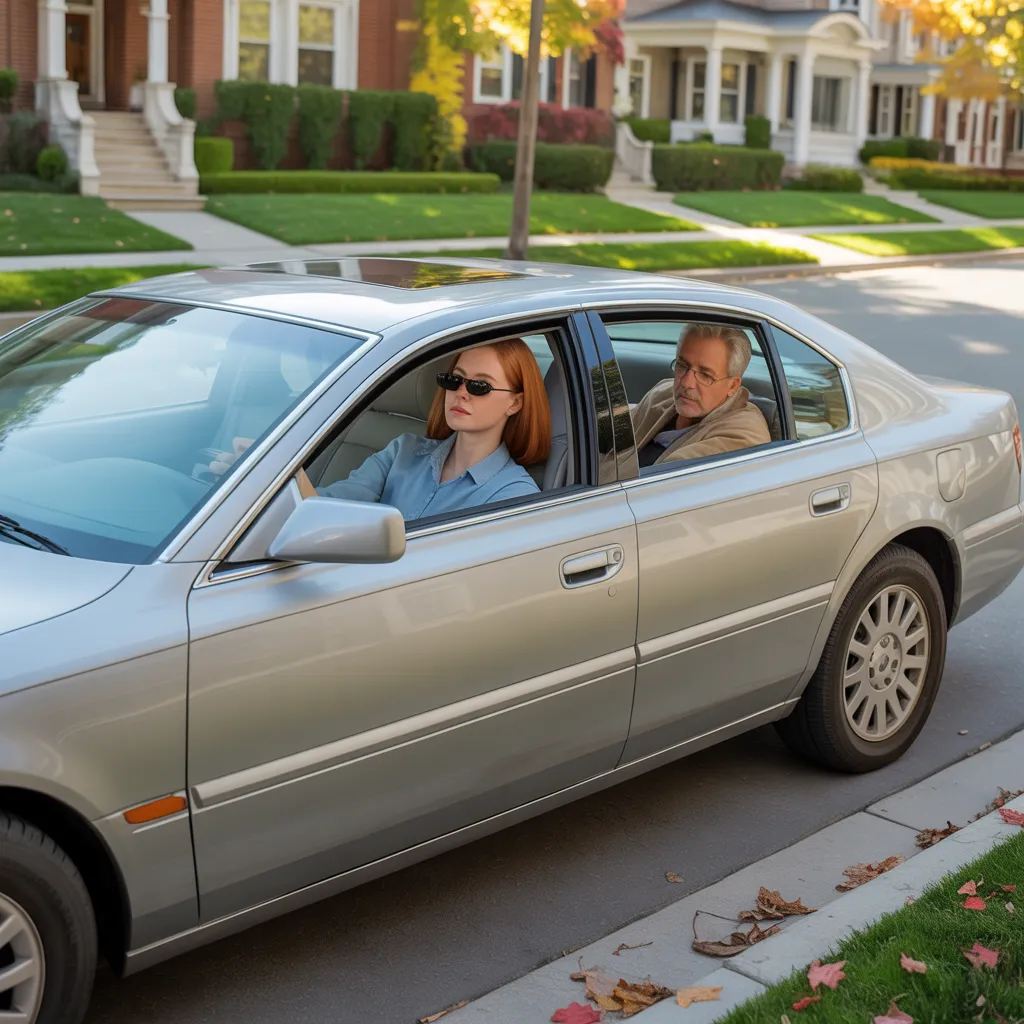
Once a student enters their initial driving course, they may notice a mix of enthusiasm and apprehension. The learning setting, often filled with fellow students, establishes the backdrop for a significant experience. Driving educators typically start with introductions, outlining the curriculum layout and safety guidelines. Students can anticipate receiving instructional materials, including manuals and handouts, which will function as valuable references throughout their course of study.
The main concentration is mainly on familiarizing students with vehicle controls, fundamental road signs, and fundamental traffic laws. Instructors may also emphasize the significance of staying calm behind the wheel. Pupils are prompted to ask queries, fostering a supportive learning atmosphere. Once the theoretical component is complete, numerous courses feature real-world practice, where participants gain experience with the automobile in a supervised environment. This blend of classroom learning and hands-on experience readies learners for the road ahead, instilling confidence as they begin their journey toward becoming competent and safety-conscious drivers.
Driving Course: Fundamentals to Advanced
A complete driving course covers a transition from fundamental techniques to complex maneuvers, ensuring that students acquire a strong grounding before approaching more demanding driving scenarios. At the outset, participants concentrate on essential vehicle management, including vehicle steering, brake control, and throttle control. Students gain knowledge of important road regulations, street signs, and safe road behaviors, providing a detailed understanding of the driving regulations.
As learners display capability in these foundational areas, the program progresses to more advanced techniques. This covers traversing various terrains, dealing with difficult weather circumstances, and developing strong defensive driving skills. Moreover, learners are introduced to high-speed roadways and complicated intersections, developing their skill to think swiftly when faced with difficult conditions.
Across the curriculum, teachers stress the value of awareness of surroundings and accountable driving conduct. This organized methodology enables students not only to pass their driving tests but also to emerge as capable and self-assured drivers in varied conditions.
Gaining Confidence as a New Driver
Beginner drivers frequently encounter difficulties when it comes to building confidence on the road. Starting out as a driver can be quite intimidating, given the many tasks involved and the continuous requirement for attention. In order to ease nervousness, novice Driving Lesson drivers may find value in a measured, step-by-step introduction to a range of driving conditions. Commencing practice in areas with minimal traffic gives them the opportunity to strengthen core competencies away from the stress of busier, more intricate road conditions.
Regular practice is essential; the more time spent driving, the more familiar and comfortable they become with their vehicle and surroundings. Additionally, enrolling in expert-led driving classes offers structured learning and professional guidance, fostering a sense of security. Constructive feedback from teachers and supportive classmates can additionally strengthen a new driver's sense of self-assurance. With practice and improvement, beginner drivers will notice their confidence building, converting driving from a difficult undertaking into a more pleasurable and empowering journey.
Getting Yourself Ready for Your Driving Test
How can a new driver best prepare for their driving test? Preparation is essential for success. First, familiarizing oneself with the vehicle is important. New drivers should make certain they know how to operate all controls, including lights, wipers, and signals. Additionally, rehearsing techniques like parallel parking, three-point turns, and lane changes will improve their abilities.
Moreover, studying the regional driving laws and guidelines can supply helpful knowledge into what examiners typically look for. Arranging a trial examination with a seasoned driving professional can mirror the real driving test environment, thereby lowering test anxiety.
Lastly, confirming all required documents are in order, such as the learner's license and ID, is critical. By following these steps, new drivers can tackle their driving test with assurance, improving their chances of succeeding on the initial try.
Popular Questions About Driving Lessons
What should prospective drivers know before starting lessons? A great number of individuals have frequent inquiries concerning the driving lesson process. First, they often wonder about the age requirements; most regions mandate that students be at least 16 years old to obtain a learner's permit. Another frequent inquiry concerns the duration of lessons; as a rule, each session is around one to two hours long, varying according to the student's skills and individual needs.
Future drivers commonly inquire about the costs associated with driver training sessions. Costs can differ significantly based on geographic location and teacher qualifications. Additionally, many question whether they must bring their own vehicle; most driving schools provide cars equipped with dual controls for added safety.
Finally, learners frequently ask about the training program. Complete lessons typically include essential driving skills, road regulations, and safety practices, guaranteeing that pupils are thoroughly prepared for their driving exam as well as everyday driving scenarios.
What Makes Professional Driving Lessons the Right Choice?
What makes expert-led driving lessons better than informal instruction? This comes down to the quality and overall effectiveness of the training offered. Professional instructors have in-depth knowledge of driving methods, traffic regulations, and safety procedures, making certain that learners are provided with a thorough and detailed education. They follow a structured program that enhances skills in a gradual manner, making it easier for students to grasp complex concepts.
Moreover, expert-led lessons commonly feature real-life circumstances, empowering drivers to manage different driving environments with assurance. Qualified instructors can provide customized input and corrections, which are invaluable for developing safe driving habits. Moreover, their experience permits them to customize instruction to specific learning needs, optimizing learning outcomes and competency growth.
Furthermore, expert instructors typically stay updated with the latest regulations and advancements in driving education, ensuring that their teachings reflect current best practices. This professionalism makes expert-led driving lessons a superior choice for individuals aiming to develop strong driving abilities.

Common Questions and Answers
What Age Can I Start Taking Driving Lessons?
Generally, aspiring drivers can initiate taking driving lessons at the age of 16, although some regions allow students to begin at 15. It's crucial to verify regional rules regarding age restrictions for driving tuition.
Do You Offer Driving Lessons on Weekends?
Weekend driving lessons are commonly offered, catering to various schedules. Numerous driving schools acknowledge the need for weekend availability, providing students with the opportunity to learn at their own pace without clashing with weekday duties or responsibilities.
Is It Possible to Use My Own Vehicle for Driving Lessons?
Pupils can generally use their own cars for driving lessons, provided the vehicle meets safety requirements and is in good working condition. Driving instructors frequently support this practice to guarantee confidence and ease during the learning process.
What Happens if I Miss a Class?
If a student misses a class, they could be required to make up the lesson or set a new time. Attendance requirements differ, so students are encouraged to consult with their instructor regarding any potential penalties or options.
Are Lessons Available for Both Automatic and Manual Cars?
Absolutely, the program offers lessons for both manual and automatic cars. Individuals can pick their desired transmission type, ensuring they are provided with personalized instruction that suits their unique driving preferences and needs for learning.